
On this page
Core concepts and boundariesPractical use casesStep-by-step checksCommon misconceptionsSecurity checklistOngoing managementHow this product fits into the wallet workflow
Understand how a wallet manages on-chain accounts, multi-network assets and transaction history, with a safer path from viewing to acting.
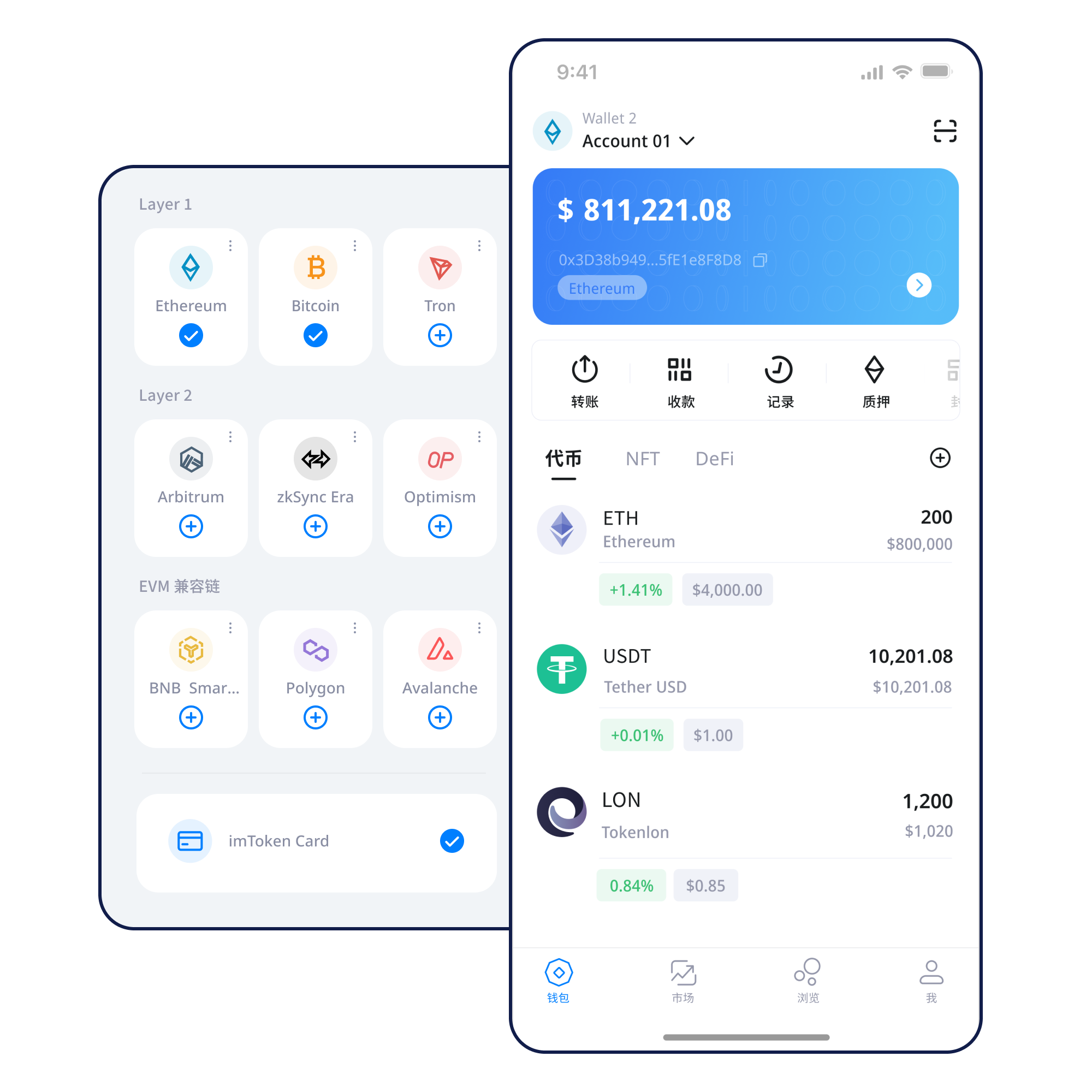
Core concepts and boundaries
To understand Wallet & Assets, place account, multi-chain assets and address in the same on-chain context. Understand how a wallet manages on-chain accounts, multi-network assets and transaction history, with a safer path from viewing to acting. A wallet interface organizes network information, but balances, transactions and contract state are still recorded by the relevant blockchain. Do not evaluate risk from a button label alone. Identify the active network, the target, the expected outcome and whether the request creates a signature, approval or on-chain fee. Any page or person asking for a seed phrase, private key or verification code should be rejected.
Practical use cases
In real use, account often appears together with multi-chain assets and network. A user may move from reading information to sending assets, connecting a DApp or calling a contract, and trust in the previous screen should not automatically extend to the next request. Separate verification into three layers: the source of the page, the exact wallet prompt, and the on-chain destination or contract effect. This reduces mistakes caused by familiar branding, time pressure or a sequence of prompts.
Step-by-step checks
For Wallet & Assets, a repeatable workflow is useful. First verify account, then check multi-chain assets and address, read the request related to network, and finally confirm whether transaction history matches the intended task. If the action is submitted on-chain, keep the transaction hash and verify the result with a trusted block explorer. If the action only creates a connection, remember that a session connection is different from a later signature or token approval. Stop when data, amounts or contract addresses are unclear.
- Verify account and multi-chain assets independently
- Review address and network in the wallet prompt
- Never share seed phrases, private keys or verification codes
Common misconceptions
A common misconception is to treat a normal-looking interface as proof that the underlying action is safe. Correct-looking account does not guarantee that multi-chain assets is right, and a familiar address label does not prove that the network address or contract is the expected one. Multi-chain environments make these mistakes easier because address formats, token names and page designs can look similar. Independent verification of the network, full address, contract and transaction status is more reliable than visual familiarity.
Security checklist
Keep high-privilege credentials separate from ordinary troubleshooting data. Seed phrases and private keys remain under the user’s control and should never be requested by support staff. Public information related to account, multi-chain assets or address can often be used for diagnosis without exposing secrets. When network or transaction history is involved, also review the spender, allowance, domain, device environment and selected network. Blockchain transactions are generally not reversible by a wallet provider, so pre-confirmation checks matter most.
Ongoing management
Ongoing management of Wallet & Assets means periodically reviewing networks, approvals, transaction history and connected services. Understand how a wallet manages on-chain accounts, multi-network assets and transaction history, with a safer path from viewing to acting. If a DApp or contract is no longer needed, disconnect the session and separately check whether any on-chain approval remains. If network rules, gas conditions or service status change, rely on current network data rather than assumptions from an earlier session. Security, confirmation time and staking outcomes should not be described as absolute guarantees.